ZACCARA LAB
Research

Zaccara Lab

Research

Research

Research Programmes

We pursue four complementary programmes that combine mechanistic biochemistry, single‑cell epitranscriptomics and functional genomics to define how m6A controls RNA fate in development and disease.
01

Function and redundancy of m6A reader proteins

How do YTH domain-containing readers interpret m6A methylation to control mRNA fate?

Sara Zaccara’s influential work with Samie Jaffrey proposed a unified model for YTHDF protein function, reshaping understanding of how m6A readers regulate mRNA stability and translation. The programme dissects reader biochemistry and their functional redundancies using a combination of precise molecular assays and cellular perturbations.

We combine genetically encoded reporters, loss‑ and gain‑of‑function screens, and transcriptome‑wide m6A mapping to determine how reader binding, m6A stoichiometry and RNA context determine downstream effects on target transcripts.
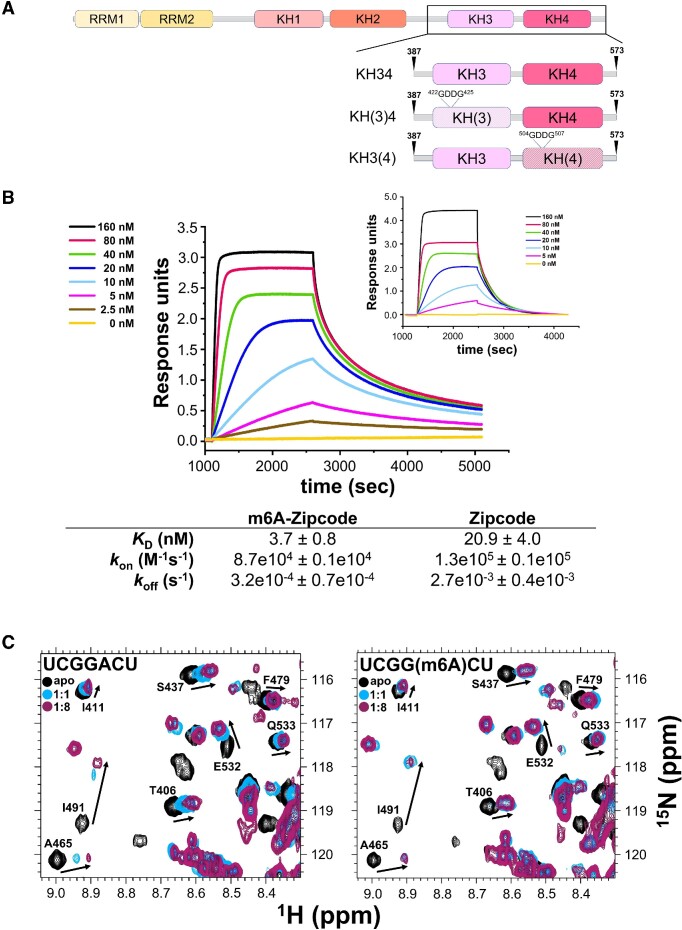
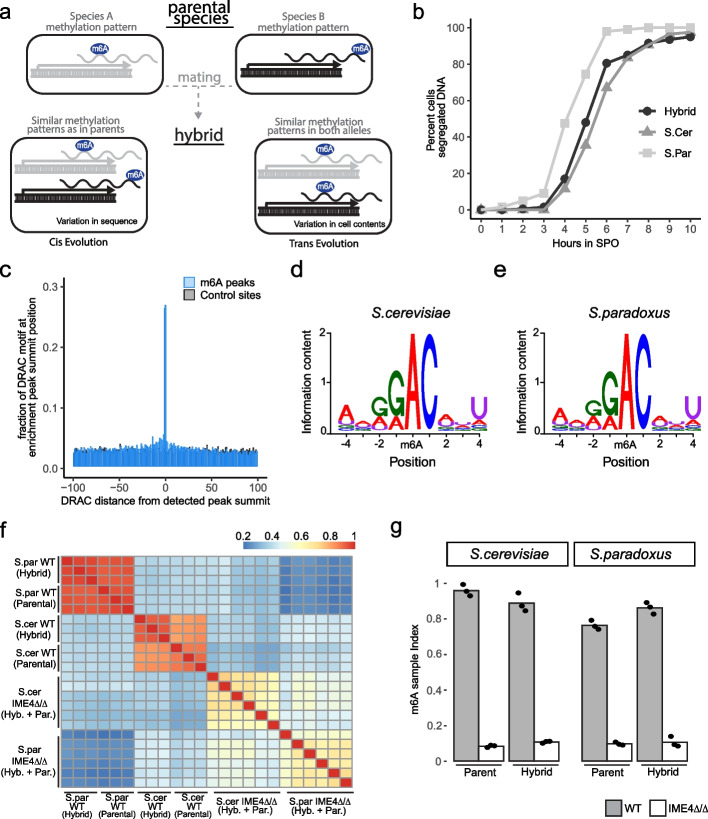
Scientific figure relevant to Function and redundancy of m6A reader proteins.
02

Single‑cell and spatial mapping of m6A methylomes

How does m6A distribution vary between individual cells and cell states, and what are the consequences for cellular identity?

The programme develops and applies single‑cell multiomic approaches to profile m6A together with transcriptomes in heterogeneous populations. Resolving m6A at single‑cell resolution reveals cell‑state specific methylation patterns that are masked in bulk assays.

We integrate single‑cell m6A mapping with perturbations to link dynamic changes in methylation to functional outcomes such as differentiation, stress responses and malignant phenotypes in haematopoietic systems.

Scientific figure relevant to Single‑cell and spatial mapping of m6A methylomes.
03

m6A regulation in haematopoiesis and acute myeloid leukaemia (AML)

Which m6A regulators drive oncogenic programmes in AML, and can m6A perturbation alter leukaemic cell fate?

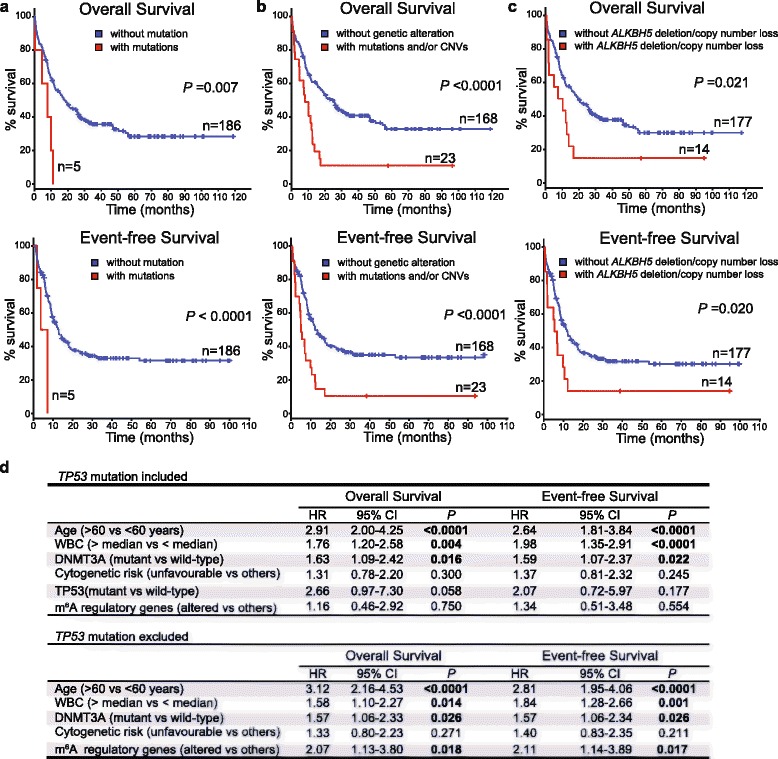
Building on early studies linking dysregulated m6A machinery to poorer AML outcomes, this programme combines patient data analysis with mechanistic models to identify how m6A changes influence differentiation blocks and proliferative programmes in leukaemia.

We aim to pinpoint m6A‑dependent vulnerabilities that could be exploited therapeutically and to clarify molecular interactions between RNA methylation pathways and p53 signalling in leukaemic transformation and progression.

Scientific figure relevant to m6A regulation in haematopoiesis and acute myeloid leukaemia (AML).
04

Genetic tools and imaging to read and manipulate m6A‑marked RNAs

Can genetically encoded sensors and perturbation tools be used to visualise and functionally alter m6A dynamics in living cells?

This programme pursues technological innovation: genetically encoded reporters to detect modified RNAs, targeted editing approaches to create or remove m6A marks, and biochemical assays to measure reader–RNA interactions in vitro and in cells.

These tools allow causal tests of how individual m6A sites, and ensembles of sites, influence translation, localisation and decay with single‑transcript precision, enabling mechanistic dissection of m6A’s role in physiology and disease.

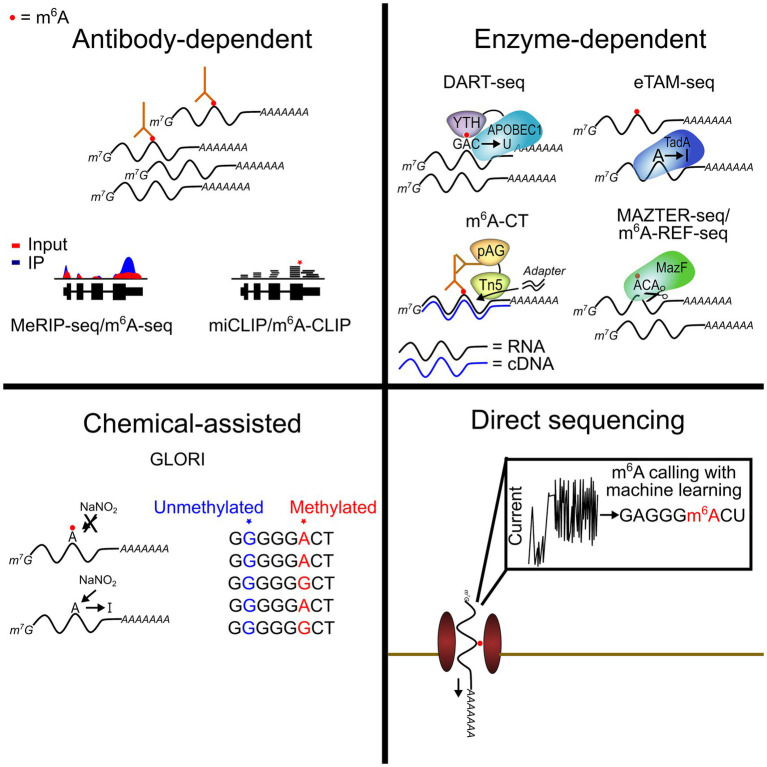
Review figure/summary (Studying m6A in the brain) that highlights genetically encoded m6A-sensor approaches including GEMS and places them in context of live-cell imaging methods for m6A dynamics.